Breaking Into Data: A Career Switcher's Guide to Every Path in the Field
Data Analyst, Data Engineer, Data Scientist, Analytics Engineer, ML Engineer, AI Engineer — what each one actually pays, actually demands, and how to pick the right door in. Written for people switching in from other fields, not fresh CS grads.
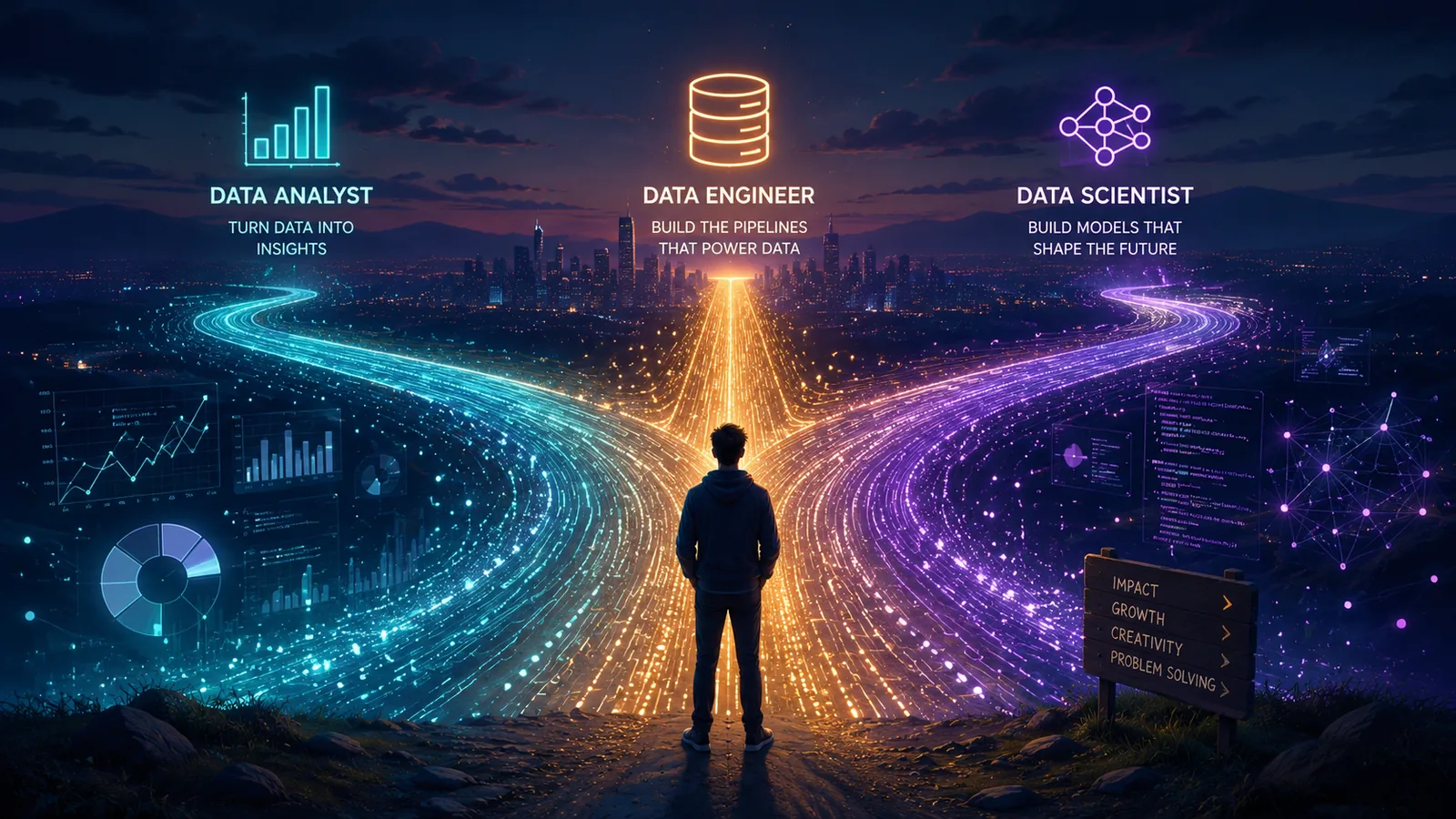
The field doesn't make this easy. Job titles overlap, tools bleed across roles, and every learning platform seems to have a slightly different definition of what a "Data Scientist" even does. A decade in this field has taught me one thing above all: the confusion around job titles never fully goes away — you just get better at seeing the underlying logic beneath whatever the trendy title happens to be this year.
So here's the guide I wish someone had handed me when I was starting out — written for people switching careers into data, not fresh CS grads who already speak the language.
Why This Is More Confusing in 2026 Than It Was Five Years Ago
Here's something nobody tells you upfront: the boundaries between data roles are blurrier now than they've ever been. AI tools have quietly absorbed chunks of what used to be separate jobs. A data analyst job in 2026 asks for skills that a junior data scientist had back in 2022, and tools that once cleanly defined a single role now overlap across all of them — analysts write Python, engineers build ML pipelines, and a role called "AI Engineer" has emerged that didn't meaningfully exist five years ago.
I'm telling you this upfront because I don't want you to feel behind if the landscape feels shifted from whatever article you read last year. It is shifting. That's normal. What doesn't shift is the underlying logic of how these roles relate to each other — and once you get that logic, you can slot any new tool or title into the right bucket yourself.
The Mental Model: Think in Terms of a Pipeline, Not Job Titles
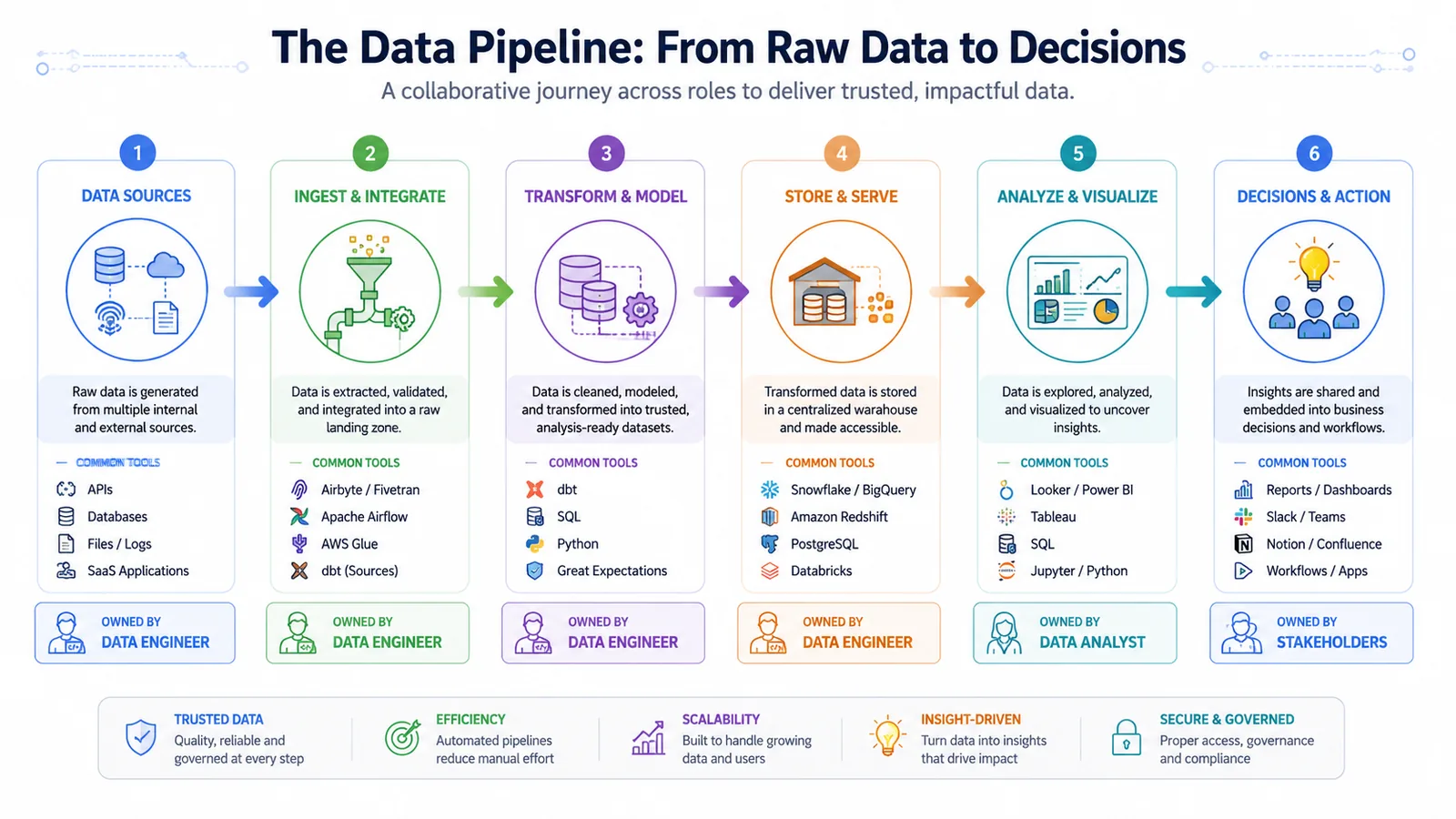
Forget titles for a second. Picture data as water flowing through a system:
Every data role you'll ever encounter owns a piece of that flow:
- Data Engineers build and maintain the pipes
- Analytics Engineers clean and structure the water so it's drinkable
- Data Analysts tell you what the water level has been doing and why
- Data Scientists predict what the water level will do next
- ML Engineers build machines that act automatically based on those predictions
- AI/GenAI Engineers (the newest addition) wire pre-built AI models into products, rather than building the underlying models themselves
- BI Developers build the dashboards everyone stares at
- Data Architects design how the whole system fits together
Now let's go role by role, honestly — not the sanitized version you'll find in a bootcamp's marketing copy.
In this guide — jump to a section
Data Analyst — Still the Best Front Door Into the Field
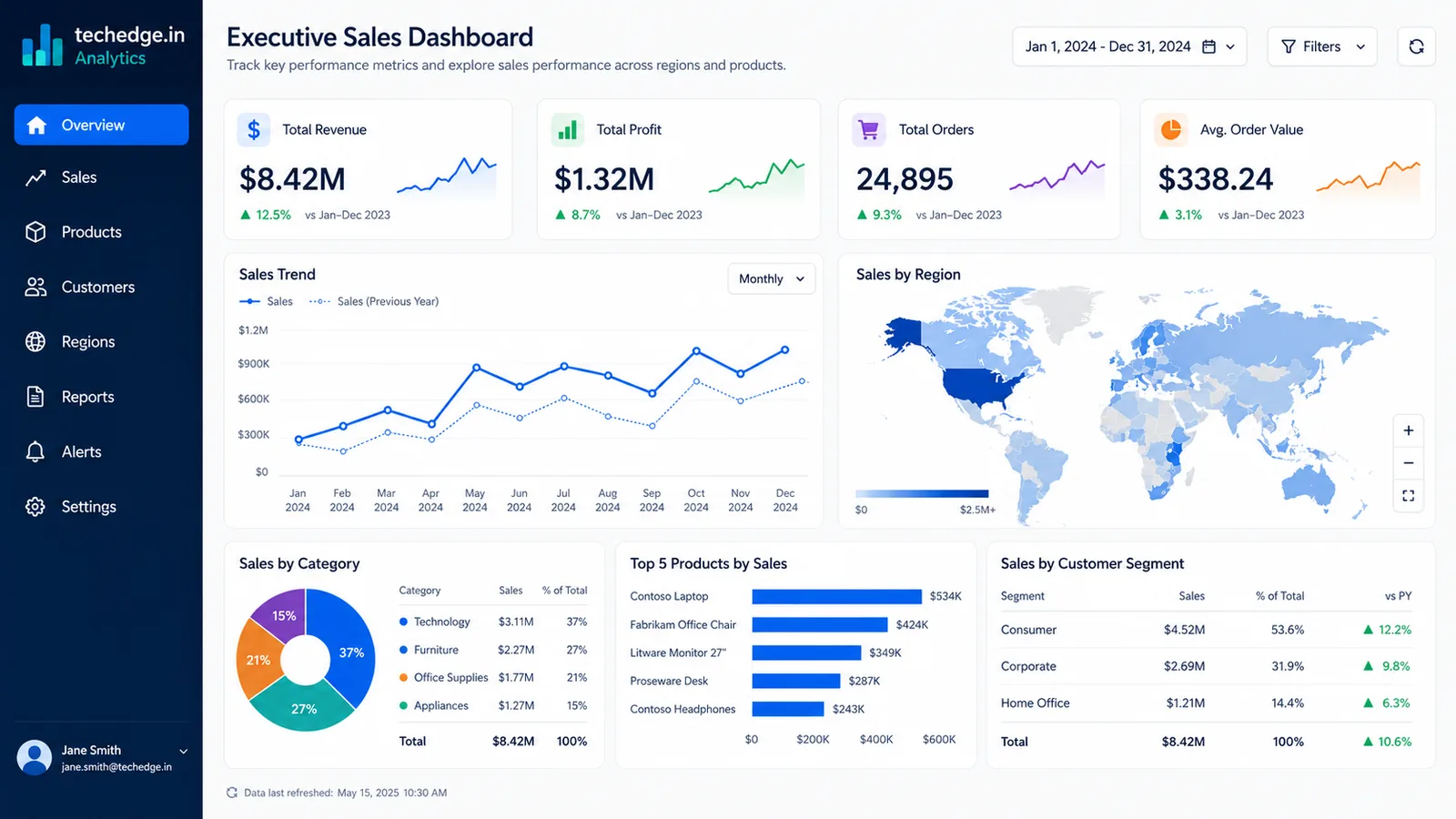
What you'll actually be doingAnswering business questions with existing data. "Why did signups drop last month?" "Which product category has the best margins?" You'll live in SQL, spend real time in a BI tool, and — this is the part nobody warns you about — spend almost as much time in meetings explaining your findings as you do producing them.
Core skills you need- SQL — genuinely non-negotiable, and I mean joins, window functions, and CTEs, not just
SELECT * FROM table - A BI tool: Power BI or Tableau (in India specifically, Power BI dominates enterprise job postings)
- Excel — still alive, still used, don't skip it out of snobbery
- Basic statistics: means, medians, distributions, and — critically — correlation vs. causation
- The most underrated skill in the entire field: turning a chart into a sentence a non-technical VP will actually understand
Freshers typically land ₹3–6 LPA, with strong SQL, Python, and Power BI skills pushing that toward ₹6–8 LPA even at entry level, and the national average sitting around ₹6.87 LPA, with Bangalore and Hyderabad running roughly 15–18% above that average. Senior analysts (5–8 years) can reach ₹14–22 LPA, and at MNCs that can climb higher still.
Why career switchers specifically thrive hereYour prior job is a cheat code. If you were in retail operations, you already understand inventory turnover and seasonality — you just need SQL and a dashboard tool layered on top of knowledge you already have. Talk to almost any hiring manager on this and you'll hear the same pattern: a former teacher who understands what "engagement" actually means in context often builds a more useful retention dashboard than someone with a cleaner technical background but no sense of the problem.
- Mode Analytics SQL Tutorial — genuinely one of the best interactive SQL resources, built by people who understood analyst workflows
- SQLBolt — free, interactive, no fluff
- Microsoft Learn's free Power BI learning path (search "Microsoft Learn Power BI")
- Tableau Public — free version of the tool, plus thousands of real dashboards you can reverse-engineer
Data Engineer — The Highest-Paying, Highest-Barrier Path
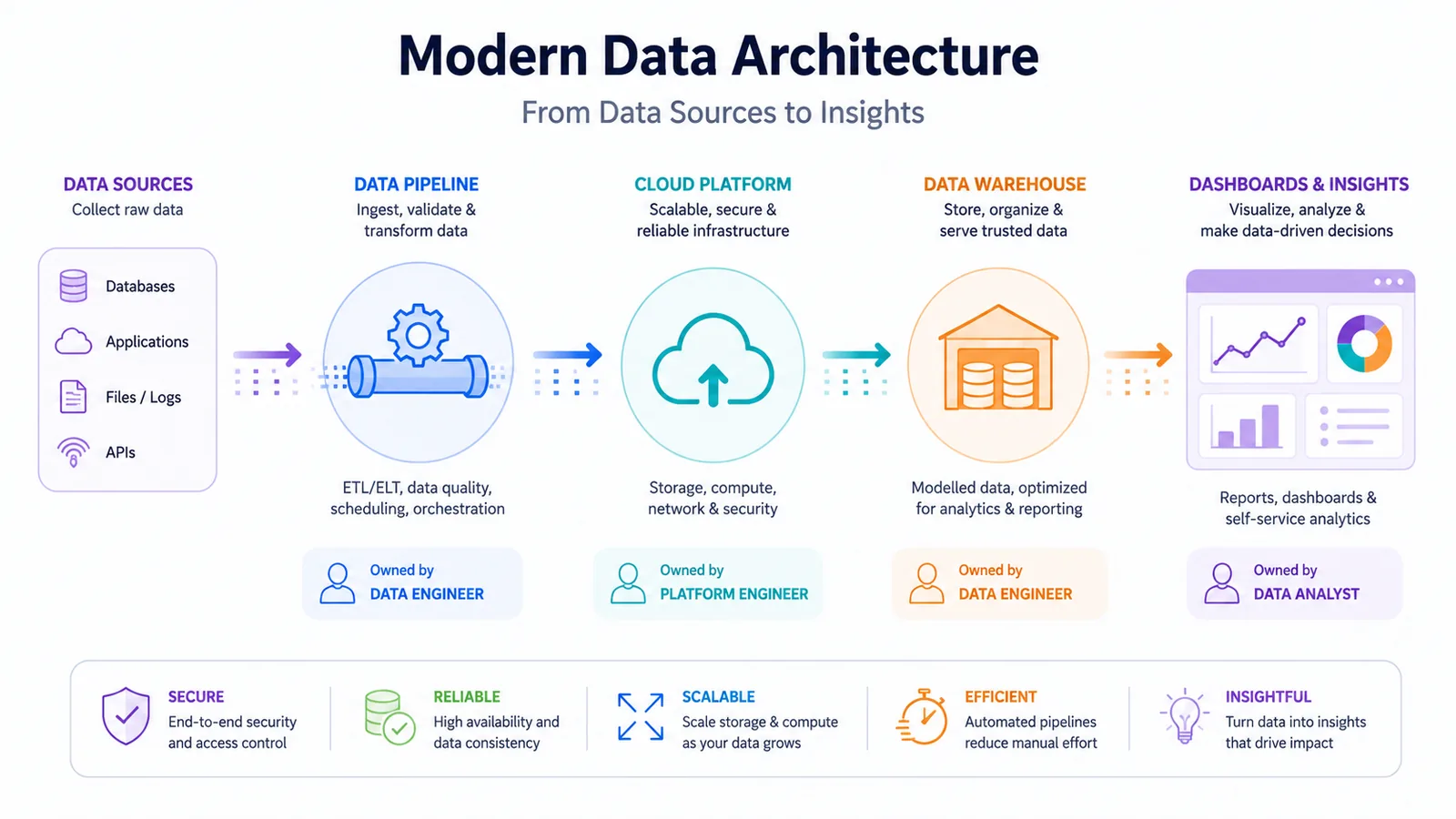
What you'll actually be doingBuilding and babysitting the systems that move data reliably at scale. You'll write pipelines, manage cloud data warehouses, and spend a genuinely surprising amount of your week debugging why a pipeline silently failed at 2 AM rather than building shiny new things.
Core skills you need- Real programming ability — Python at minimum, sometimes Scala
- SQL, at a deeper level than analysts need
- A cloud platform: AWS, GCP, or Azure
- Modern data stack tools: Apache Spark, dbt, Airflow, and warehouses like Snowflake or BigQuery
- Distributed systems fundamentals if you're aiming at scale-heavy companies
This is consistently the best-compensated of the "classic three" roles globally — U.S. Data Engineers average around $123,050 annually, edging out both analysts and, in many surveys, even data scientists. In India, senior data engineers with cloud and big-data expertise routinely out-earn data scientists at the same experience level.
My honest takeThis is the fastest transition if you're already a software engineer or came from IT/systems administration — you're adding data-specific tools to a foundation you already have. If you're coming from a completely non-technical background, jumping straight here is usually the hardest of all the switcher paths. Most of the successful transitions I came across while researching this started as an Analyst or Analytics Engineer and grew into Data Engineering from there, rather than attempting it cold.
- DataCamp periodically runs free full-access weeks — worth watching for
- Airflow and dbt both have excellent free official documentation with hands-on tutorials
- Google Cloud Skills Boost and AWS Skill Builder both have free tiers for cloud fundamentals
Data Scientist — The Most Hyped, Most Gatekept Role
Let's be honest about this one, because most articles aren't.
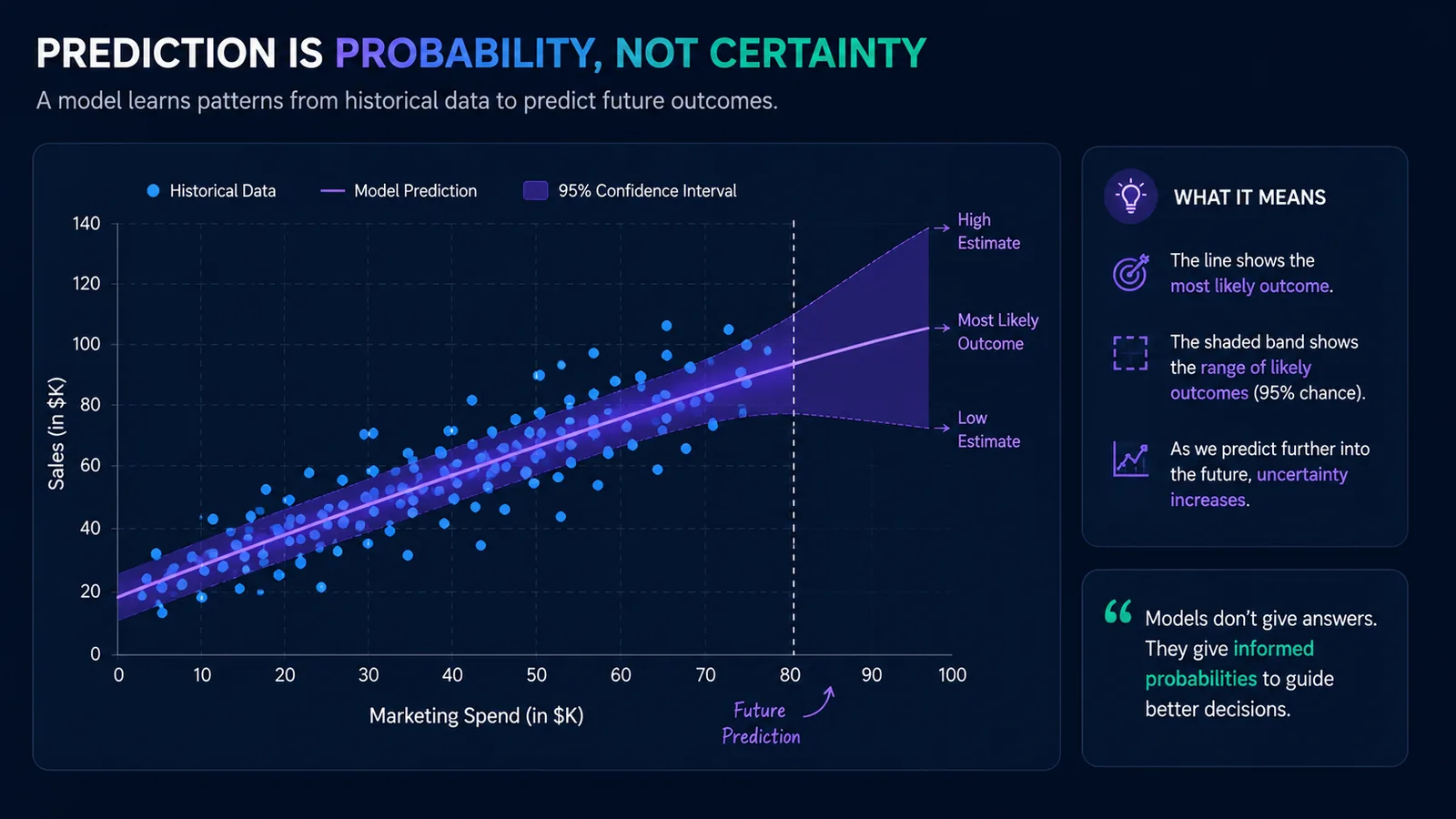
What you'll actually be doingRunning experiments (A/B tests), building predictive models, and translating "what will happen" questions into statistics and code. Think churn prediction, demand forecasting, fraud detection — not, contrary to what LinkedIn influencers imply, training the next GPT from scratch.
Core skills you need- Python (pandas, scikit-learn, numpy) — R in some industries, especially pharma and academia-adjacent companies
- Statistics you actually understand, not just remember for an interview
- SQL
- Machine learning fundamentals: regression, classification, clustering, model evaluation
- Experiment design
- The ability to say "I don't know" and "this model is 73% confident, not certain" to executives who want a yes/no answer
This is where the range gets enormous. Freshers generally land ₹6–14 LPA, though the honest average for a general fresher is closer to ₹4–6 LPA, with top-tier college graduates or those with strong project portfolios and GenAI exposure pulling ₹8–12 LPA even straight out of college. Mid-level professionals move into the ₹12–22 LPA range, and a new premium tier has emerged — "AI Data Scientists" who combine classic data science with generative AI skills, earning ₹20–50 LPA.
The part I want to be blunt aboutThis has become the single most competitive entry-level title in the field. Job postings frequently ask for a master's degree or years of "equivalent experience," precisely because so many people are trying to break in through this door specifically. If you're switching careers and your first target is "Data Scientist," you are choosing the slowest, highest-friction route into the field — not because the work is impossible to learn, but because the hiring bar for that title specifically has been pushed absurdly high by sheer demand.
- Kaggle Learn — free micro-courses plus real datasets and a competitive community
- Andrew Ng's Machine Learning Specialization (Coursera, audit for free)
- StrataScratch and LeetCode's SQL/data science question sets for interview prep specifically
Analytics Engineer — The Best-Kept Secret of 2026
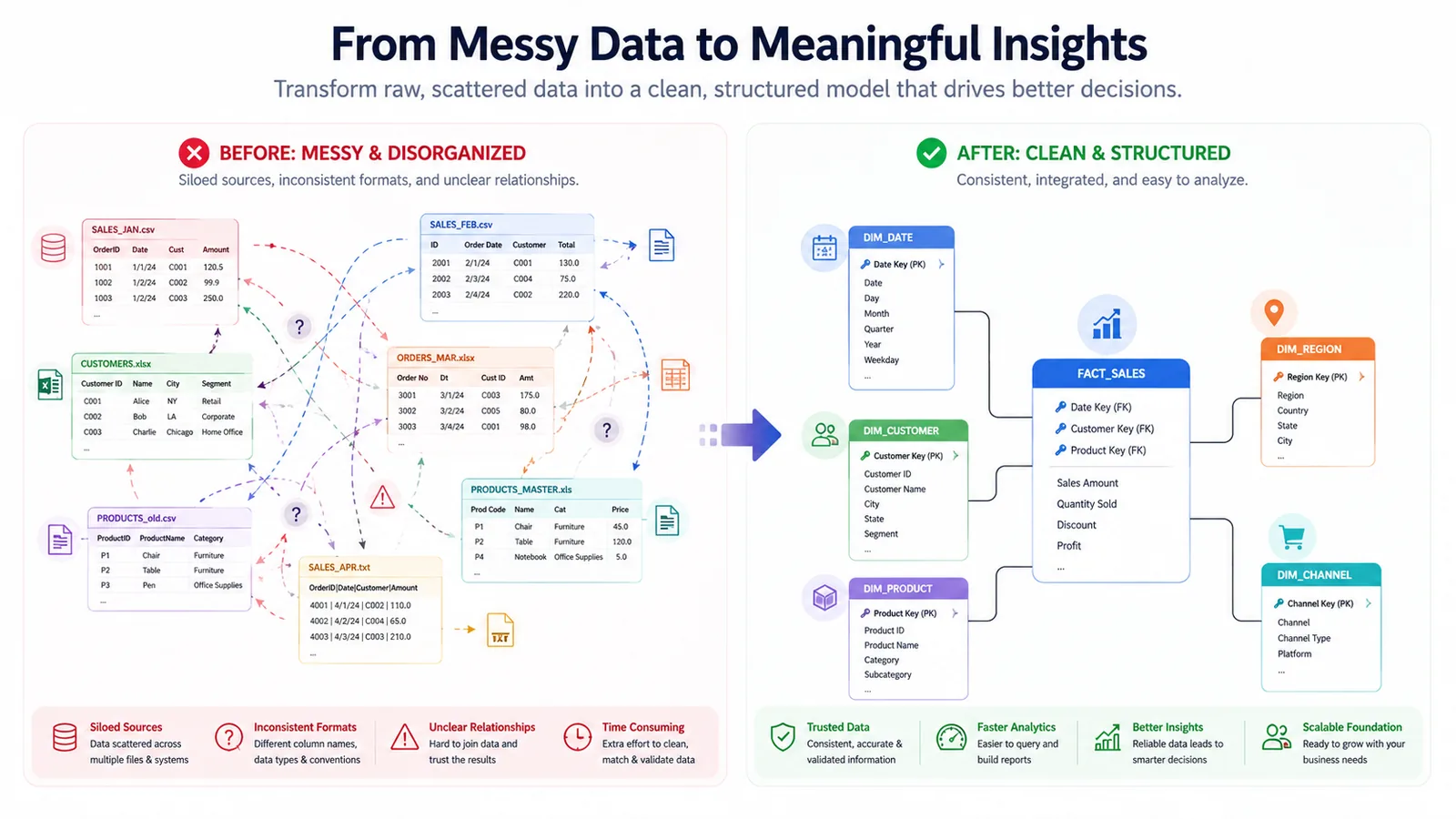
What you'll actually be doingTaking raw data that engineers have already collected and modeling it into clean, trustworthy, well-documented datasets that analysts and business users can query without wading through mess. This role exists specifically because of the rise of a tool called dbt, and it's grown enormously in just the last few years.
Core skills you need- Deep SQL, not surface-level
- dbt specifically — it's essentially the industry standard for this role now
- Data modeling concepts (star schemas, dimensional modeling)
- Git and version control
- Some Python for testing and automation
It's newer, so there's far less rigid "5 years experience required" gatekeeping than the more established titles, and it genuinely rewards people who are naturally good at structuring and organizing messy information — a skill that tends to transfer well from operations, accounting, and even paralegal backgrounds. It's also, frankly, one of the best-kept salary secrets in the field right now because so few people are specifically targeting it.
Machine Learning Engineer — Software Engineering Meets Data Science
What you'll actually be doingTaking models (often built by data scientists) and turning them into production systems that run reliably at scale — the recommendation engine actually running live on a shopping app, not a model sitting in a Jupyter notebook that only works on one person's laptop.
Core skills you need- Genuine software engineering competency
- Python plus ML frameworks: TensorFlow, PyTorch
- MLOps practices: deployment, monitoring, versioning
- Cloud infrastructure
- ML theory, even if you're not designing novel architectures
This is genuinely one of the hardest roles to break into, but the demand for engineers who can take models from notebooks to production is massive right now, and salaries reflect that. It's rarely anyone's first data job — most ML Engineers arrive here from a software engineering background and layer ML skills on top, not the other way around.
Honest timelineIf you're already a software engineer, 6–12 focused months of ML study can get you there. If you're starting from zero, plan on this being a 2+ year journey via Data Analyst or Data Engineer first — and that's completely fine. Plenty of working ML Engineers didn't start out technical at all; they started as analysts and grew into it.
The New Kid: AI / GenAI Engineer
I'd be doing you a disservice not covering this, because it's the role that's changed the fastest in the last two years.
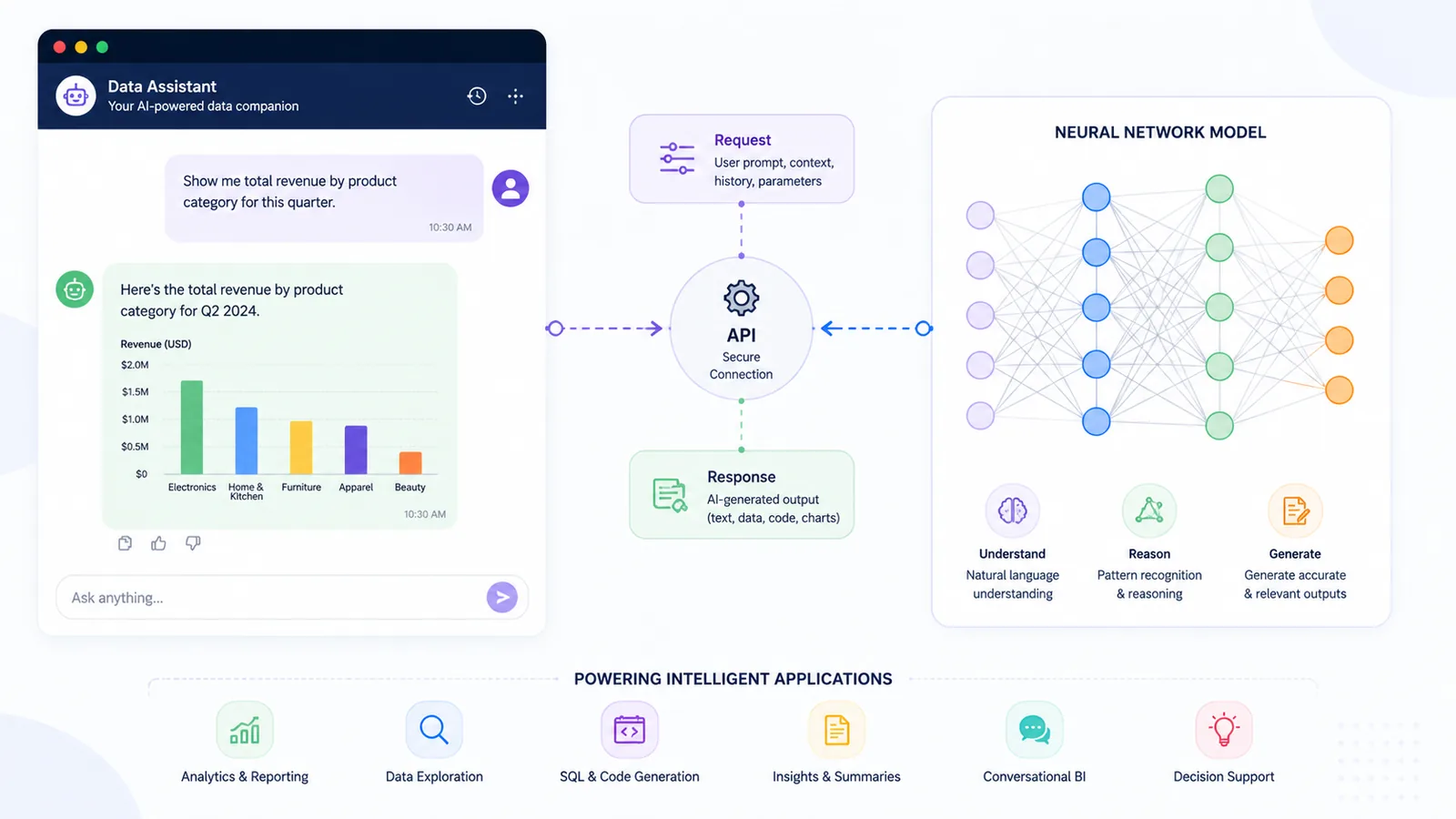
What you'll actually be doingWorking specifically with generative AI models — LLMs like GPT, Claude, and Gemini — building applications powered by them for content generation, automation, and personalized experiences, typically by integrating pretrained models into products using tools like LangChain and vector databases, rather than training models from scratch.
Why it matters for a career switcherThis role didn't require a traditional "data" background to break into initially, because it's so new that formal hiring pipelines haven't fully calcified yet. If you have strong software engineering instincts and you're comfortable working with APIs, this is a genuinely realistic entry point — arguably more accessible right now than classic ML Engineering, precisely because the field is still defining what "experienced" even means here.
BI Developer — The Underrated Specialist Path
What you'll actually be doingA more specialized cousin of the Analyst role — building and maintaining the reporting infrastructure and dashboards an entire company relies on daily.
Core skillsDeep expertise in Power BI, Tableau, or Looker specifically, plus SQL and data modeling.
Why it's worth a lookIt's a strong fit if you enjoy the visual and structural side of data work, and it's genuinely common among career switchers coming from operations, finance, or even graphic design backgrounds who bring an eye for clarity that pure engineers sometimes lack.
Matching Your Background to a Path
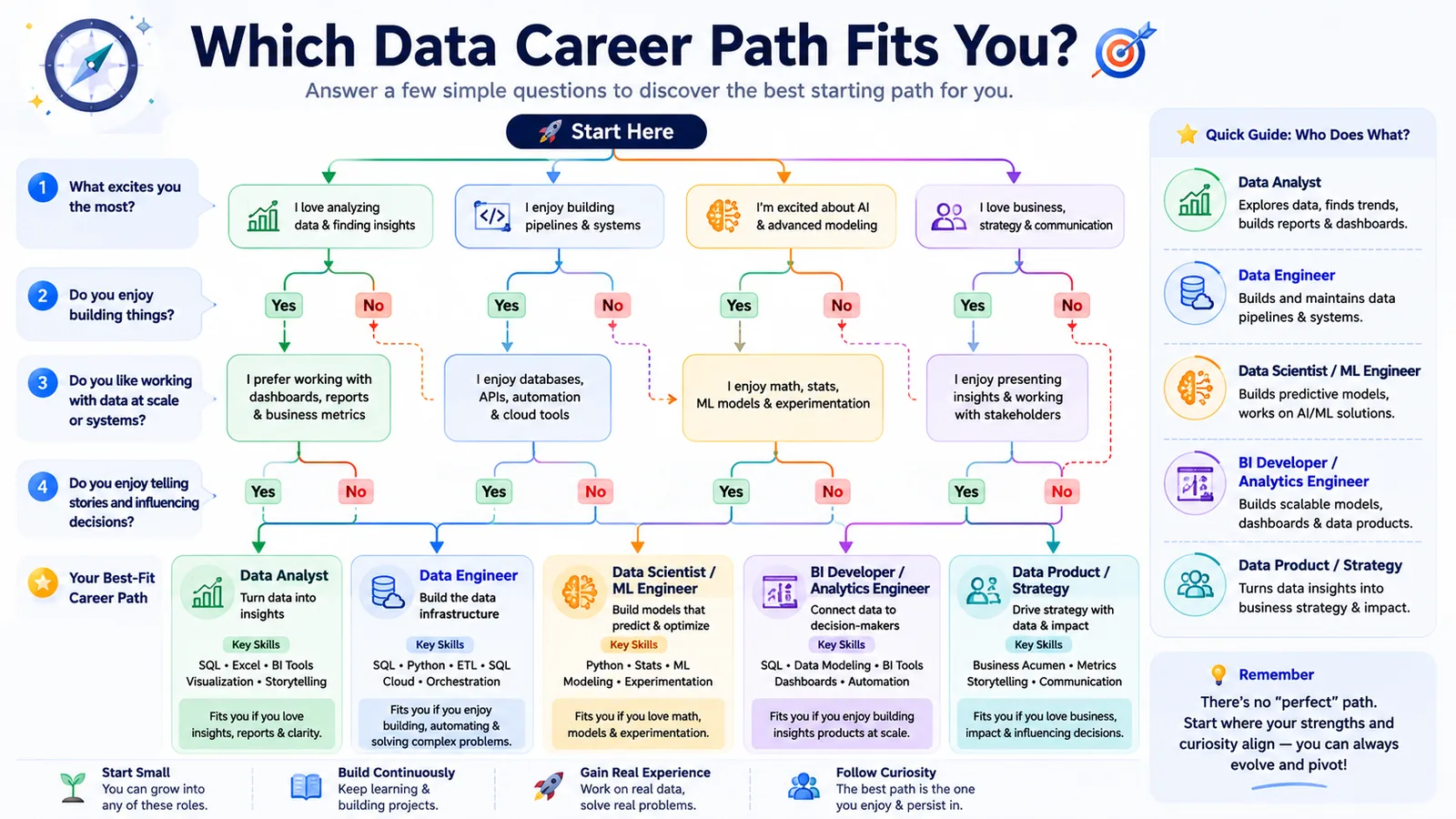
This shortcut works more often than any personality quiz:
| Your background | Best starting path |
|---|---|
| Finance / Accounting / Operations | Data Analyst or Analytics Engineer |
| Software Engineering / IT | Data Engineer or ML Engineer |
| Marketing / Sales | Data Analyst → Product/Marketing Analytics |
| Teaching / Research / Academia | Data Scientist (stats background is a real head start) |
| No technical background at all | Data Analyst — shortest realistic runway |
A Realistic 12-Month Roadmap (Starting From Analyst)
Months 1–3 — Foundations. SQL, properly — joins, window functions, subqueries, not just SELECT statements. Deepen your Excel if it's rusty. Start basic statistics.
Months 3–5 — Tools and Visualization. Pick one BI tool and build 3–5 real dashboards using public datasets from an industry you already understand.
Months 5–7 — Portfolio Building. Build 2–3 end-to-end projects mirroring real business problems, ideally in your prior industry — not another generic Titanic dataset project every recruiter has seen a thousand times.
Months 7–9 — Applying and Interviewing. Start applying while you keep learning. Practice SQL case interviews and "tell me about a time you used data" behavioral questions specifically — this is a separate skill from raw technical ability, and most people under-prepare for it.
Months 9–12 — First Role and Direction-Finding. Once you're in, notice whether you're drawn toward the engineering side (pipelines, infrastructure) or the modeling side (statistics, prediction). That tells you your next move.
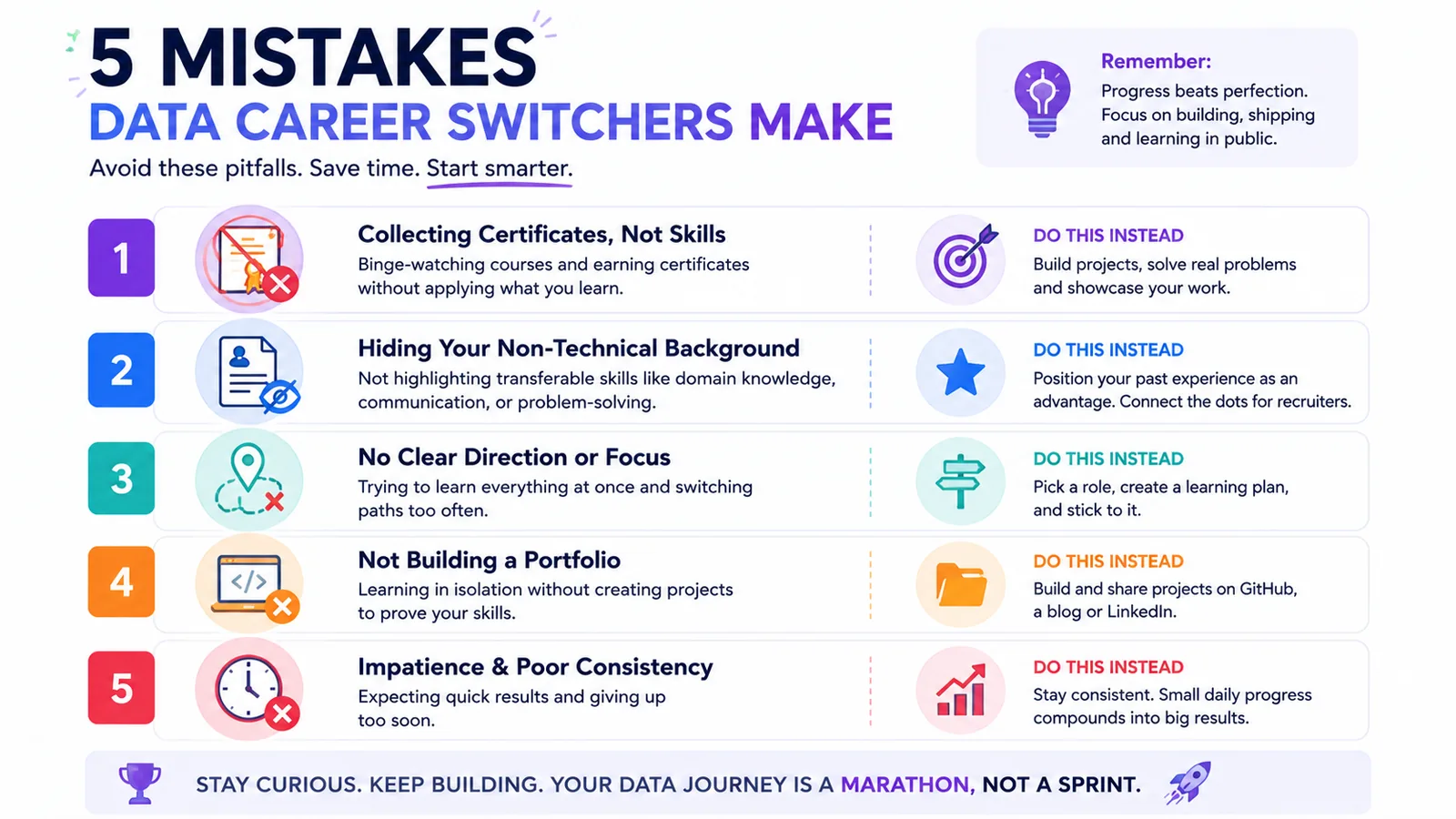
Five Mistakes I've Watched Career Switchers Make Repeatedly
Chasing "Data Scientist" as a first job. Covered above — it's usually the slowest door in, not the fastest, purely because of how competitive that specific title has become.
Collecting course certificates instead of building things. Watching tutorials feels like progress. It isn't, on its own. Every month should produce something tangible you can show a hiring manager.
Hiding your previous career instead of leveraging it. A former hospital administrator applying to healthcare data roles has a genuine edge over a generic bootcamp grad. Don't bury that on page two of your resume.
Underestimating SQL. It's the one skill that's non-negotiable across literally every role in this article, and it's also one of the most learnable. There's no good excuse to be weak here.
Studying in isolation. Data teams tend to be small and tightly networked within companies and industries. Informational interviews and genuine engagement with data professionals on LinkedIn move the needle more in this field than in most others.
Resources Worth Bookmarking
Learning platforms
- Mode SQL Tutorial — SQL, analyst-focused
- SQLBolt — free interactive SQL basics
- Kaggle Learn — free, project-based, data science and ML
- Microsoft Learn — free Power BI and Azure data paths
- Tableau Public — free tool plus a huge library of real dashboards to study
Practice and portfolio building
- StrataScratch — real interview questions from real companies
- Kaggle competitions and datasets for hands-on project material
- GitHub, to actually host and show your project work publicly
Communities (genuinely useful, not just noise)
- r/dataengineering and r/datascience on Reddit for honest, unfiltered field discussion
- Local data meetups — searching "data science meetup [your city]" turns up more than people expect, even in tier-2 Indian cities now
Final Thoughts, After a Decade of Watching This Field Shift
The data field isn't one career — it's an interconnected ecosystem of roles, and in ten years of being around it, I've noticed almost nobody ends up in the exact role they originally set out for. People start somewhere accessible, pay attention to what part of the work actually energizes them, and let the path evolve from there.
Your prior career isn't a handicap here. It's very often the exact thing that gets you hired over someone with a "cleaner" technical background but zero sense of what the numbers actually mean in the real world. Start where the door is open, build things you can point to, and stay a little suspicious of anyone — including me — who tells you there's exactly one right way to do it.
— This article is part of an ongoing career series on techedge.in. Got questions about your own transition? Drop a comment, I read every one.
One email, every other week.
New posts on data engineering, applied AI, and the business decisions around them. No noise, unsubscribe anytime.
Comments
All comments are reviewed before they appear publicly — this keeps spam out.
Loading comments…